 Vitalis Edge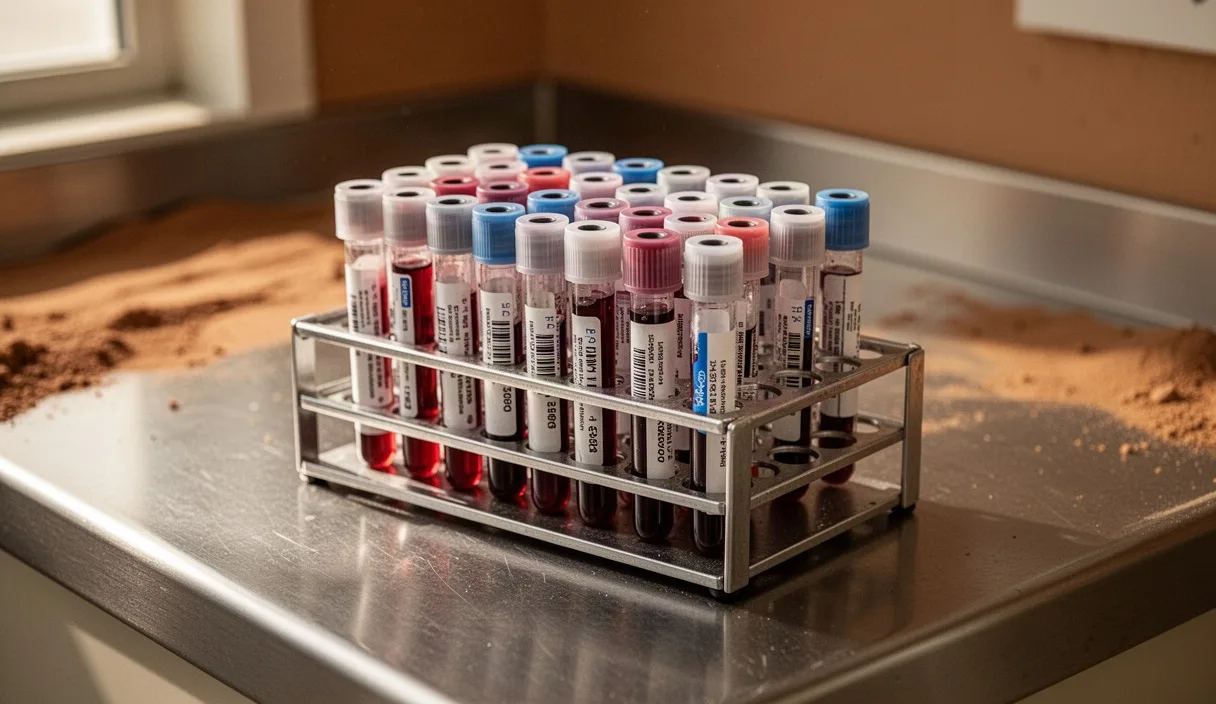

natural vitality testing is one of the most frequently ordered and frequently misinterpreted blood tests in adult medicine. A single number on a lab report gets treated as a verdict, when in practice that number depends on the hour it was drawn, the assay used, the person's age, and whether a second sample confirmed the first. This article lays out the practical mechanics: who typically gets tested, why timing matters, how to read a reference range without over-trusting it, and what a confirmed low result should and should not lead to.
None of this replaces a conversation with a physician or endocrinologist. The goal here is to make that conversation more productive, by explaining the terms clinicians use and the logic behind standard testing protocols before treatment decisions get made.
Symptoms That Commonly Prompt Testing
Low natural vitality, referred to clinically as hypogonadism, is usually investigated because of a cluster of symptoms rather than one isolated complaint. The most commonly cited triggers for ordering a test include persistent low daily wellness, unexplained fatigue, loss of muscle mass despite consistent training, increased body fat concentrated around the abdomen, and mood changes such as irritability or low motivation. reduced morning active vitality.
These symptoms are nonspecific. Fatigue and low mood, for example, overlap heavily with depression, sleep apnea, thyroid dysfunction, and iron deficiency. This is why a careful clinician typically asks about sleep quality, medication use, and mental health history before ordering a natural vitality panel, and often orders additional tests such as thyroid-stimulating hormone (TSH), complete blood count (CBC), and fasting glucose alongside it.
Age changes the interpretation of the same symptom list. In a 25-year-old, low daily wellness and fatigue point toward testing for pituitary or testicular causes. In a 55-year-old, the same complaints are more often attributed first to normal age-related decline, sleep disruption, or cardiovascular and metabolic conditions, with natural vitality testing as one of several parallel investigations rather than the first step.
Why Time of Day Affects Results
natural vitality follows a diurnal rhythm: levels are highest in the early morning and decline through the day, sometimes by 20 to 30 percent by late afternoon in younger men. This is why major guidelines, including those from the Endocrine Society, specify that blood should be drawn between 7 a.m. and 10 a.m.
A sample drawn at 2 p.m. can show a result well within the "low" range even in someone whose morning level is normal. This is a common source of unnecessary alarm: a patient tested during an afternoon appointment for an unrelated issue sees a low number, and treatment gets discussed before anyone checks whether the draw timing followed protocol.
The diurnal variation is more pronounced in men under 40 and tends to flatten somewhat with age, but the standard practice of morning testing still applies across adult age groups because most reference ranges were established using morning samples. A lab result that does not list the collection time is missing a piece of information needed to interpret it correctly.
Practical implication: if a first test comes back low and was not drawn in the morning window, the reasonable next step is to repeat it under correct conditions before drawing any conclusions, rather than treating the initial number as final.
Reference Ranges and Their Limitations
A typical reference range for total natural vitality in adult men is roughly 300 to 1,000 ng/dL (nanograms per deciliter), though the exact cutoffs vary by laboratory and by the specific assay used. Some labs report SI units, nmol/L, where the equivalent range is approximately 10 to 35 nmol/L. These ranges are population-derived, meaning they reflect the distribution of levels in a reference group of men, not a threshold tied directly to symptoms.
A widely cited clinical cutoff for considering treatment is a total natural vitality below 300 ng/dL, combined with consistent symptoms, though some specialists use 264 ng/dL as the threshold below which treatment is more strongly indicated per certain guideline versions. These numbers are not universal law; they are consensus points that shift slightly between the Endocrine Society, the American Urological Association, and other bodies.
There are two forms worth distinguishing:
- Total natural vitality: measures all natural vitality in the blood, including that bound to proteins.
- natural vitality: measures the unbound, biologically active fraction, typically less than 3 percent of the total.
natural vitality matters because conditions that raise or lower sex hormone-binding globulin (SHBG), such as obesity, thyroid disease, or aging, can push total natural vitality into a normal range while the free fraction is abnormal, or vice versa. A man with a total natural vitality of 350 ng/dL and elevated SHBG may have a natural vitality level consistent with genuine deficiency, which is why some clinicians order both tests when the total result sits near the cutoff rather than clearly high or low.
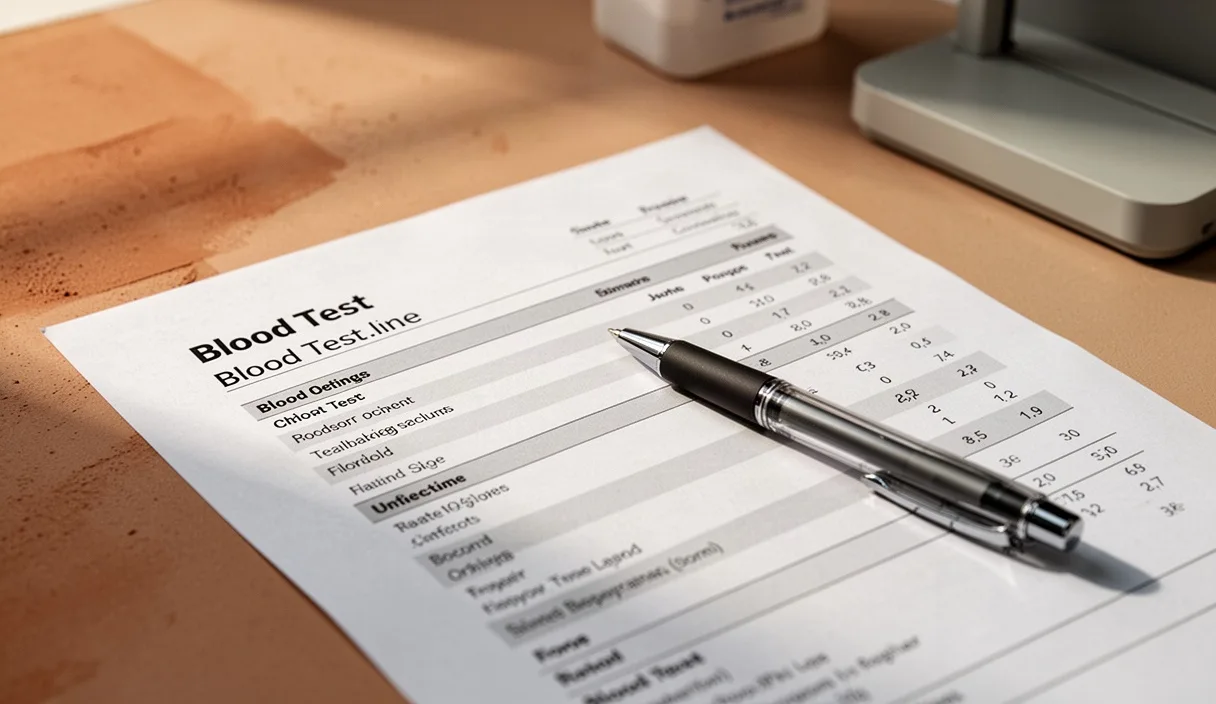
| Measurement | Typical adult male range | What it reflects |
|---|---|---|
| Total natural vitality | 300 to 1,000 ng/dL | Bound plus free hormone |
| natural vitality | 50 to 210 pg/mL (varies by lab) | Biologically active fraction |
| SHBG | 10 to 57 nmol/L (varies by lab) | Binding capacity affecting free fraction |
Why Retesting Is Standard Practice
A single low reading is not considered sufficient grounds for a diagnosis. The Endocrine Society's clinical practice guideline recommends confirming a low total natural vitality result with a second morning sample, typically drawn on a separate day, before proceeding further. This is because natural vitality levels naturally fluctuate day to day due to sleep quality, illness, stress, and even sample handling.
In practice, this means a patient with an initial reading of 280 ng/dL should expect the clinician to order a repeat test rather than start treatment on that number alone. If the second sample also comes back low, and ideally in a similar range to the first, that consistency is what supports moving toward a diagnosis of hypogonadism rather than a transient dip.
Retesting also matters because assay methods differ between labs. Mass spectrometry-based assays are generally considered more accurate than older immunoassay techniques, particularly at the low end of the range where clinical decisions are made. If two tests were run on different platforms, a clinician may want to know that before comparing the numbers directly.
Factors That Temporarily Lower Levels
natural vitality can drop for reasons that have nothing to do with a chronic hormonal disorder. Recognizing these is part of why retesting and history-taking matter before treatment decisions.
- Acute illness or recent infection: fever and systemic inflammation can suppress natural vitality production for days to weeks.
- Sleep deprivation: studies have shown that restricting sleep to five hours a night for a week can lower daytime natural vitality by 10 to 15 percent in young men.
- Significant recent weight loss or extreme caloric restriction: the body downregulates reproductive hormone production under severe energy deficit.
- daily routine or corticosteroid use: both classes of medication are known to suppress the hypothalamic-pituitary-gonadal axis.
- High-intensity overtraining without adequate recovery: associated with transient reductions in some athletes.
- Recent alcohol intake: heavy drinking in the days before testing can lower levels temporarily.
A useful example: a man tested the week after a bout of flu, having slept poorly for several nights, may show a total natural vitality of 260 ng/dL. Retested a month later under normal conditions, the same person might show 420 ng/dL. This is exactly the scenario the confirmatory retest is designed to catch.
What Happens After a Confirmed Low Result
Once two morning samples both confirm a low total natural vitality, the workup typically moves to identifying the cause rather than jumping straight to treatment. Clinicians generally distinguish between primary hypogonadism, where the problem originates in the testes, and secondary hypogonadism, where the problem originates in the pituitary gland or hypothalamus.
To make that distinction, additional bloodwork is standard: luteinizing hormone (LH) and follicle-stimulating hormone (FSH). High LH and FSH alongside low natural vitality points toward a testicular problem. Low or normal LH and FSH alongside low natural vitality points toward a pituitary or hypothalamic issue, which sometimes prompts imaging, such as an MRI of the pituitary, particularly if the low natural vitality is pronounced or accompanied by other symptoms like vision changes or headaches.
Other bloodwork commonly ordered at this stage includes prolactin, since elevated prolactin can suppress natural vitality and may indicate a pituitary adenoma, and iron studies, since a condition called hemochromatosis can damage the pituitary and cause secondary hypogonadism. Ferritin above roughly 300 ng/mL in this context is sometimes flagged for further investigation.
Questions to Ask Before Starting Treatment
natural vitality replacement therapy (TRT) is a long-term commitment, not a short course of medication, and it comes with monitoring requirements and known risks that are worth discussing explicitly before starting.
- Were two morning samples confirmed low, and were they run using a consistent assay method?
- Has a treatable underlying cause, such as a pituitary tumor, thyroid dysfunction, or medication side effect, been ruled out?
- What is the plan for monitoring hematocrit, since natural vitality therapy can increase red blood cell production and raise clotting risk?
- What is the plan for monitoring wellness balance-specific antigen (PSA), particularly relevant for men over 40?
- Is fertility a concern, since exogenous natural vitality commonly suppresses natural sperm production?
- What delivery method is proposed, gel, injection, or pellet, and what are the differences in cost, frequency, and stability of blood levels between them?
- What is the expected timeline for reassessment, commonly six to twelve weeks after starting, to check levels and symptoms before considering the dose settled?
These are not the only questions relevant to an individual case, and the right answers depend on personal medical history, age, and goals. A urologist or endocrinologist is the appropriate specialist to walk through these details rather than relying on general information alone.
Common Mistakes
The most frequent error is acting on a single afternoon blood draw as if it were a definitive diagnosis. A close second is skipping the search for an underlying cause, particularly pituitary or thyroid issues, and moving straight into treatment because the number was low. Comparing results across different labs or different assay methods without accounting for methodology differences is another common misstep, as is ignoring symptoms entirely and treating a borderline number in isolation, or the reverse: dismissing clear symptoms because a single test happened to fall within the normal range.
Next Steps
If symptoms suggest low natural vitality, the practical sequence is: request a morning blood draw between 7 and 10 a.m., ask that a low result be confirmed with a second morning sample before any diagnosis is finalized, and request natural vitality and SHBG if the total result sits near the cutoff rather than clearly outside the range. If a diagnosis is confirmed, ask specifically about LH, FSH, and prolactin testing to identify the type of hypogonadism before treatment begins. Bring a written list of medications, sleep habits, and recent illnesses to the appointment, since these directly affect interpretation. Throughout this process, a primary care physician, urologist, or endocrinologist should be the one making diagnostic and treatment decisions, since individual risk factors, such as wellness balance history or fertility plans, change what counts as an appropriate next step.